by gopwebmaster | Aug 6, 2025 | BLOGS 2025
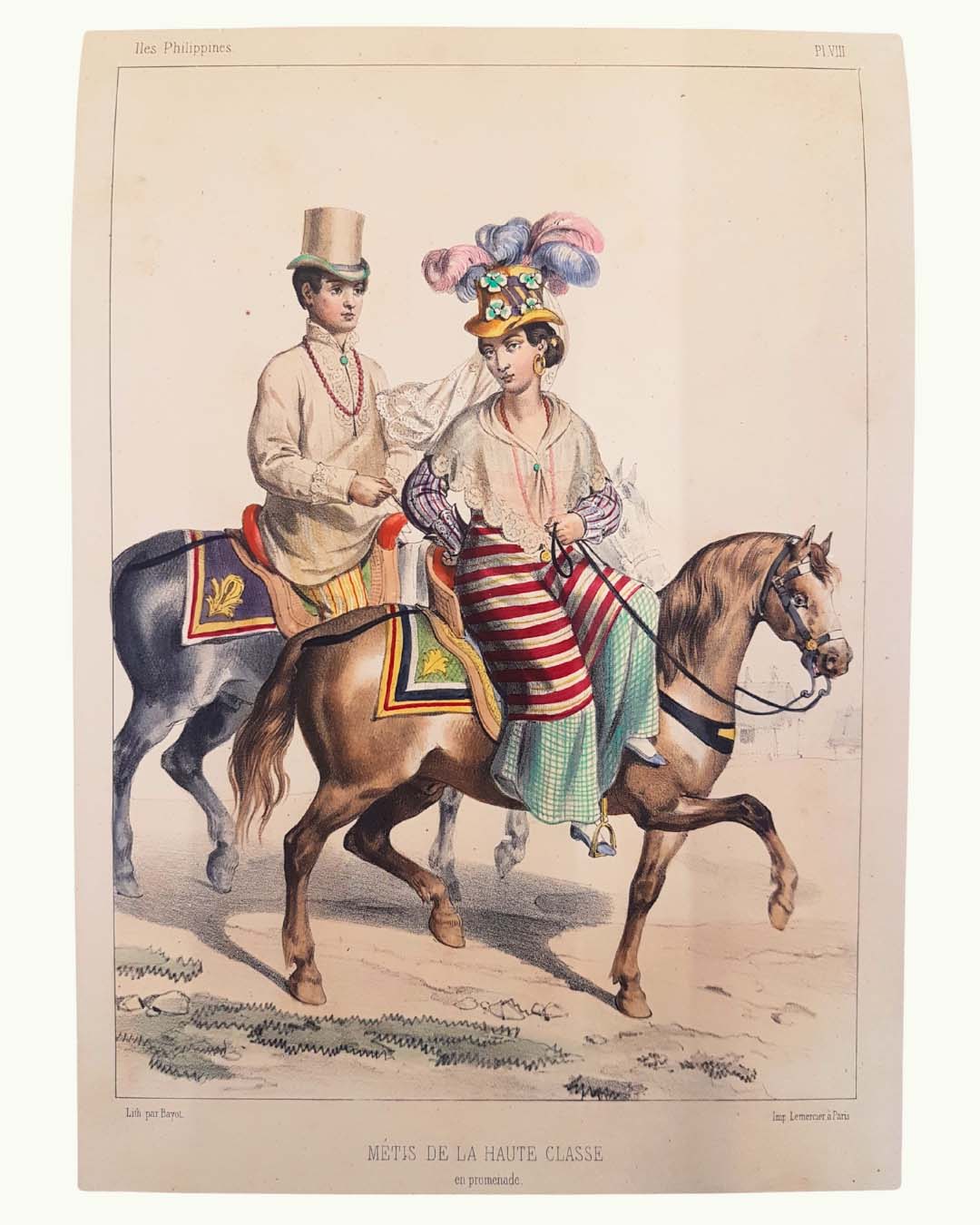
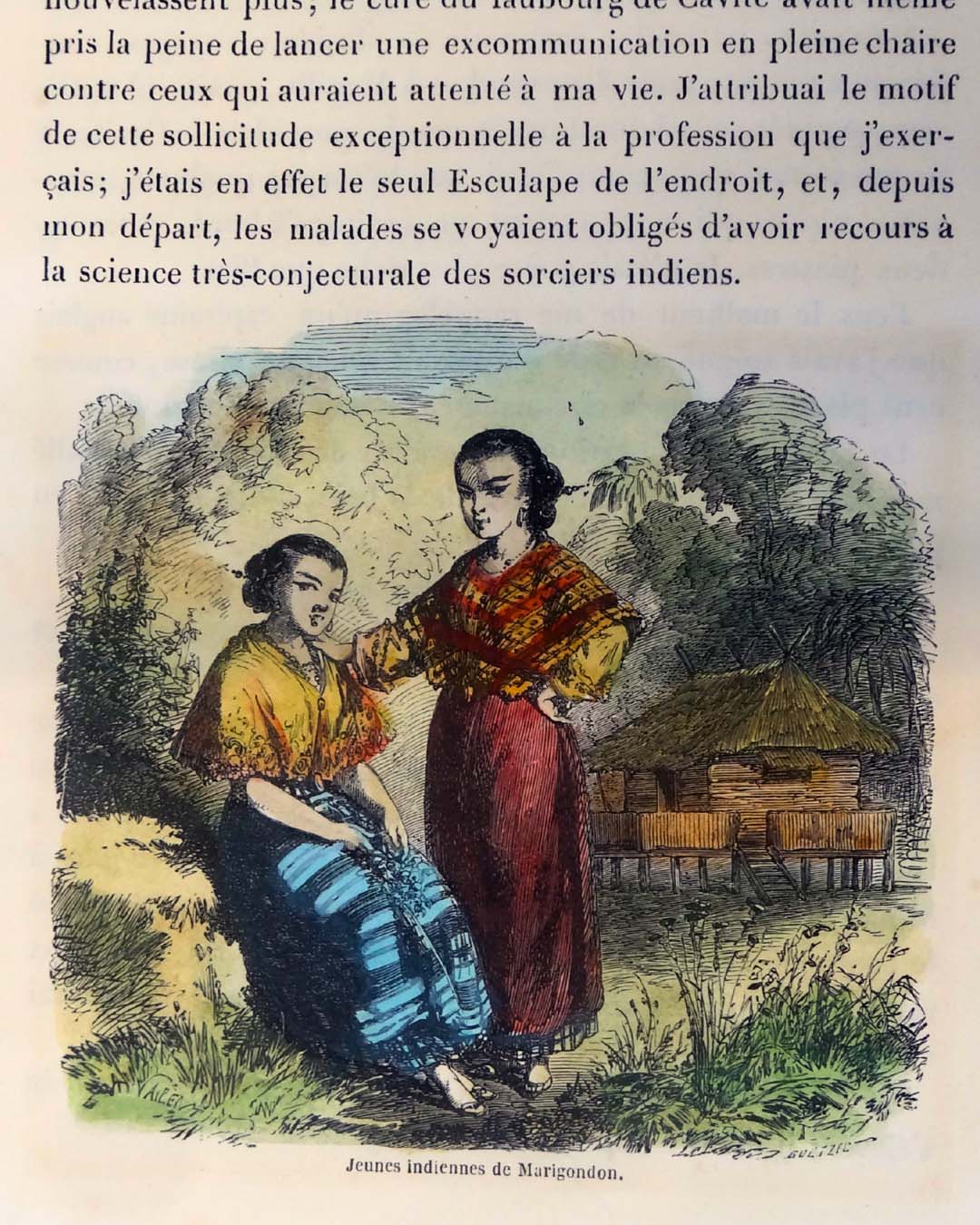
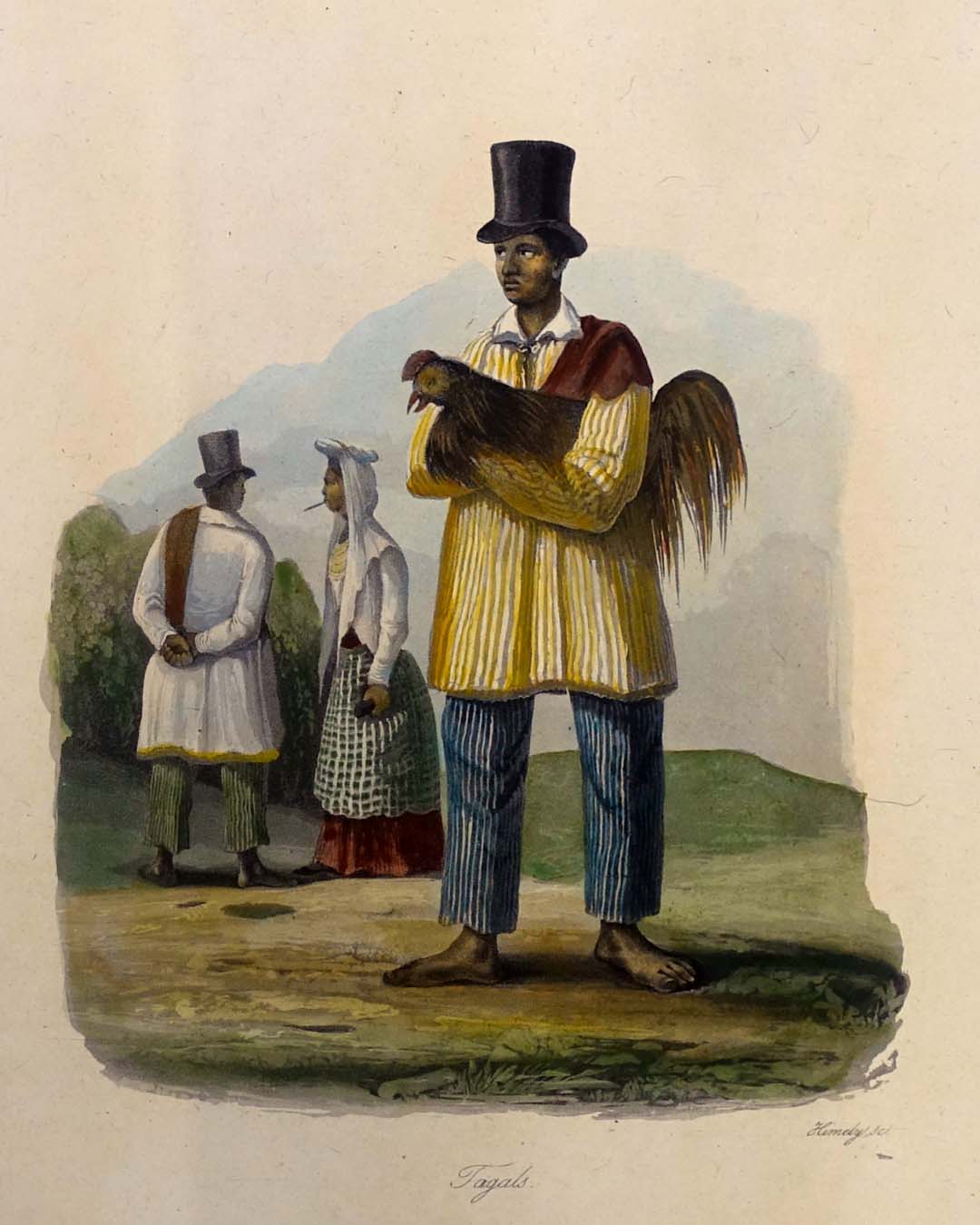
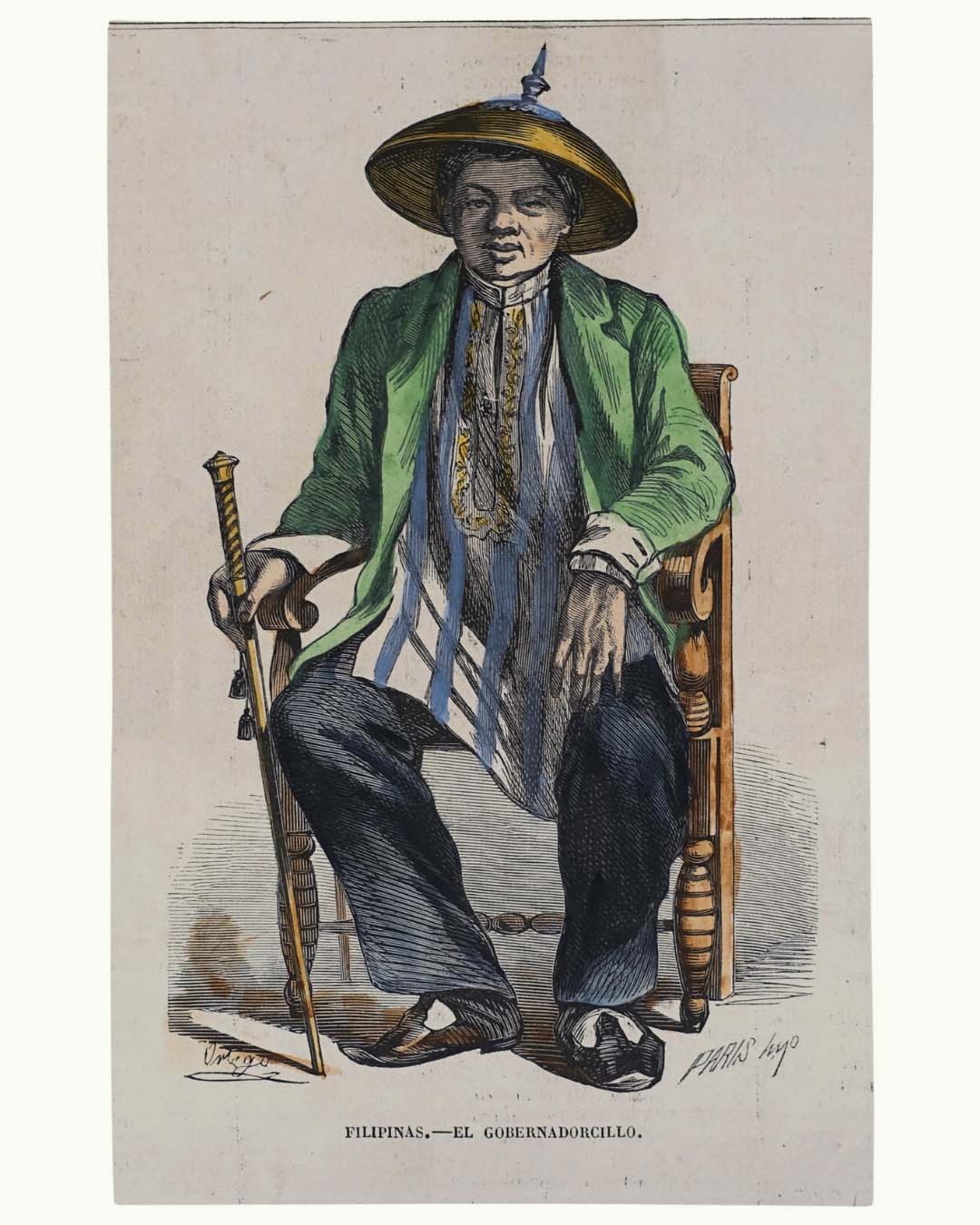
Every Buwan ng Wika, we celebrate the Filipino language as the soul of our identity. But beyond words, our history and culture live vividly in how we dress and in the rhythms of our everyday life. In every baro’t saya worn by women, the camisa de chino worn by men, or the malong draped with pride in Mindanao, there are stories of climate, faith, and adaptation. In each woven fabric is the patience of local weavers; in every embroidery, the artistry of skilled hands. A single piece of clothing reflects dignity, resilience, and a deep connection to place. 
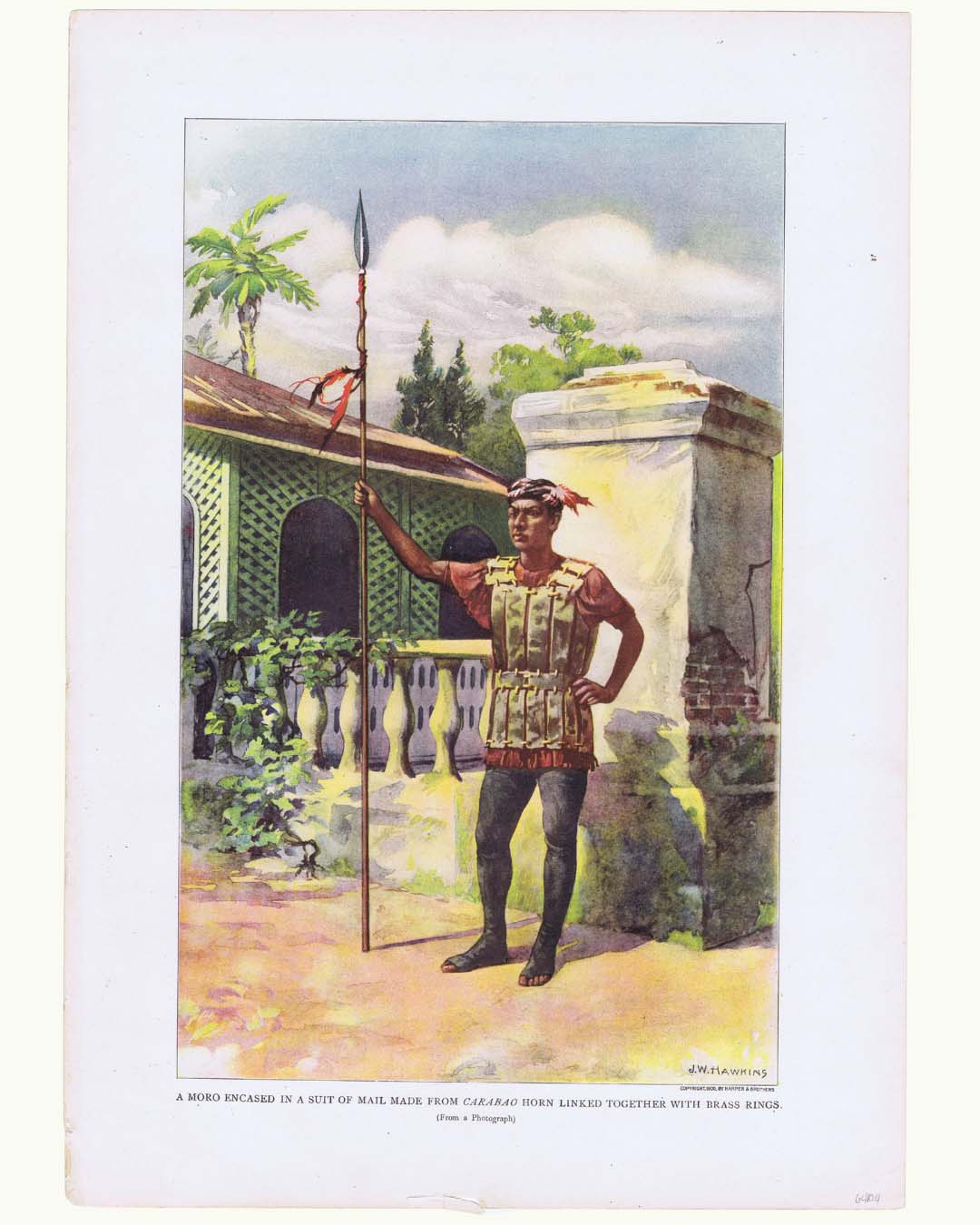
A glance at an old photo, perhaps a busy marketplace, a quiet riverbank, or the shaded interior of a bahay na bato instantly takes us back to a simpler, but lively world. Children playing sipa, mothers washing clothes at the communal pump, farmers carrying their harvest, each image tells a part of who we are.
But there are things in our culture that go beyond even fabric and image feelings so deeply Filipino, they don’t quite translate into English. We carry words like gigil the uncontrollable urge to squeeze or embrace something out of pure joy. Or tampo, that gentle, wordless sulking when someone close has hurt us, and we quietly hope to be noticed. We all know kilig, the thrill of romance or a sweet encounter that sends chills down our spine.
In moments of reflection, we feel lumbay, a deep, meditative sadness, or alpas, the longing to break free from physical or emotional ties. We whisper pahimakas in times of farewell, plead with pagsamo when we ask from the heart, and strive to live with dalisay intentions pure, sincere, and unselfish. And within all this is the ideal of maharlika nobility not just of title, but of spirit, dignity, and courage.
This Buwan ng Wika, let us honour not only our spoken language, but also the everyday garments, gestures, and emotions that speak just as powerfully. In humble fabrics, quiet habits, and untranslatable words, we find the soul of the Filipino resilient, creative, and full of heart.
by gopwebmaster | Jul 21, 2025 | BLOGS 2025
Owning an antique print is like holding a fragment of time, whether it's a centuries-old map, a botanical study, or a historical scene captured in ink and paper. These works weren’t made to survive the digital age, yet many do, because collectors, curators, and conservators give them the care they deserve.
If you’ve recently acquired a rare print or are thinking of starting a collection, here’s what you need to know to preserve these fragile pieces of history, and why archival matting and framing is not optional, but essential.
1. Why Antique Paper Needs Special Care
Old paper is sensitive to light, humidity, acidity, and even the oils from your skin. Many antique prints were made with high-rag content paper (which lasts longer than today’s wood pulp alternatives), but that doesn’t make them invincible.
Exposure to poor framing materials, like acidic mat boards or regular glass, can cause irreversible yellowing, warping, or mildew. Worse, adhesive tapes or glues used in non-archival framing can chemically burn into the paper.
2. Conservator-Grade Matting: What It Is and Why It Matters
Conservator or museum-grade matting means using acid-free, lignin-free boards, often buffered to neutralize environmental pollutants. These materials don’t just protect the artwork, they actively prevent its decay.
- Archival mat boards are pH-neutral or slightly alkaline, preventing acids from leaching into your print.
- Hinges and corners used to mount the artwork are reversible and non-invasive.
- UV-protective glass or acrylic helps guard against light damage while maintaining clarity.
Without these precautions, even a well-kept print can deteriorate within just a few years in the wrong frame.
3. Professional Framing Is an Investment in Longevity
Framing is more than presentation; it's protection. At the Gallery of Prints, all our recommended framing solutions follow museum conservation standards. This ensures your piece retains its value, aesthetic, and historical integrity for generations to come.
Whether you’re framing for display or storage, working with professional conservators can help you:
- Avoid moisture traps and warping
- Ensure proper breathing space for the paper
- Use reversible mounting that won’t damage the artwork
Keep insects, mold, and pollutants at bay
4. A Few Collector Tips to Keep in Mind
- Store prints in archival folders or sleeves if not on display. Avoid PVC or acidic plastics.
- Never hang antique prints in direct sunlight, even with UV glass.
- Avoid high-humidity areas like kitchens and bathrooms.
- Handle prints with clean hands or cotton gloves, oils can cause long-term staining.
Preserving the Past is Part of Collecting It
When you invest in an antique print, you're not just buying art, you're preserving a chapter of human history. Taking steps to protect that legacy through proper conservation is more than best practice; it's part of what makes collecting meaningful.
Want expert framing help?
Our team offers museum-grade conservation matting and archival services tailored to each piece. Visit our Collectors Services page or drop by the gallery to learn more.
by gopwebmaster | Jun 9, 2025 | BLOGS 2025
If you’ve ever dreamed of owning art, history, trivia, and soup stock all in one charming rectangle, congratulations. You’re officially the perfect candidate for collecting Liebig trade cards.
Born from a beefy brainwave by German chemist Justus von Liebig in the mid-19th century, these chromolithograph gems were originally marketing tools for his “meat extract” product, basically bouillon before bouillon was cool. But don’t let the humble soup connection fool you: these cards are anything but bland.
 Liebig cards were the TikTok of their day. They told stories, taught science, exoticised faraway lands, celebrated inventions, and, best of all, came in sets of six, turning consumers into collectors faster than you could say Leberknödel. Some depicted fantastical themes like flying machines before the Wright brothers took off. Others portrayed dreamy colonial fantasies, questionable cultural stereotypes, or wildly speculative science. One day it’s Wagner’s operas; the next, it’s how chocolate is made. Who needs consistency when you have charm?
Fun Fact: The Man Behind the Meat Was a Mad Chemistry Genius
Justus von Liebig wasn’t just a meat magnate, he was one of the most influential chemists of the 19th century. He’s the guy who invented the Liebig condenser, that iconic glass tube setup still used in chemistry labs today. He also laid the groundwork for modern fertiliser and pioneered organic chemistry. Only after changing the course of science did he turn to mass-marketing meat juice and (accidentally) launching one of the world’s longest-running collectable card series. Talk about range.
Why These are the Beginner Collectors Item:
Liebig cards are the perfect entry point into vintage collecting. They’re surprisingly affordable, with many sets ranging from $10 to $50, a rare treat in a world of skyrocketing art prices. Their diversity is unmatched, spanning over 11,000 designs from 1872 to the 1970s, with topics that range from agriculture and opera to bizarre science and world history. The quality is also top-tier: these are little masterpieces of chromolithography, vibrant, detailed, and printed to last. Our collection at the Gallery of Prints focuses on depictions of Philippine history, including rare scenes like the death of Ferdinand Magellan, rendered in rich colours with all the drama you’d expect from a Victorian-era meat ad. Whether you’re after serious themes or whimsical oddities, there’s a Liebig card for you.
Pictured: 1. Liebig- Calle del Rosario (Strasse in Manila) [Manila Street], 2. Liebig- Hafen von Manila [Harbour of Manila], 3. Les Philipppines Riviere de Davao (Mindanao) [ Davao River], 4. Pupier-Costumes, 5. Pupier- Iles Philippines, 6. Liebig -Plantes Fibreuses et leur emploi.
Collecting Tips with a Side of Humor:
● Beware of soup imposters. Not all cards labeled “Liebig” are genuine. Real ones often say “Liebig’s Extract of Meat Company” and come with a serial number.
● Don’t just collect—curate. Some people go by theme: all fish cards. All opera cards. All cards featuring comically inaccurate depictions of other countries. (That last one is a goldmine.)
● Trade like it’s 1889. These cards were made to be swapped. If you start with doubles, you’re basically time-traveling.
Liebig cards are the ultimate entry point into vintage collecting: affordable, beautiful, slightly absurd, and endlessly entertaining. You might start with one. You’ll end up with a binder full of French captions and tiny illustrations of Victorian-era sausages.
And if anyone ever asks why you’re collecting antique beef advertisements, just tell them: “It’s history. It’s art. And it’s scientifically condensible.”
(Ms) Aimer Imai
by gopwebmaster | May 7, 2025 | BLOGS 2025
Picture this: You’re a British trader in the 1700s, eager to break into the lucrative fur trade along the Pacific. There’s just one problem—the Spanish and Portuguese have a stranglehold on the best routes, and your British flag might as well be a giant “Keep Out” sign. What do you do? If you’re John Meares, the answer is simple: reinvent yourself as a Portuguese merchant, slap a fake name on your ship’s papers, and sail on like nothing’s amiss.
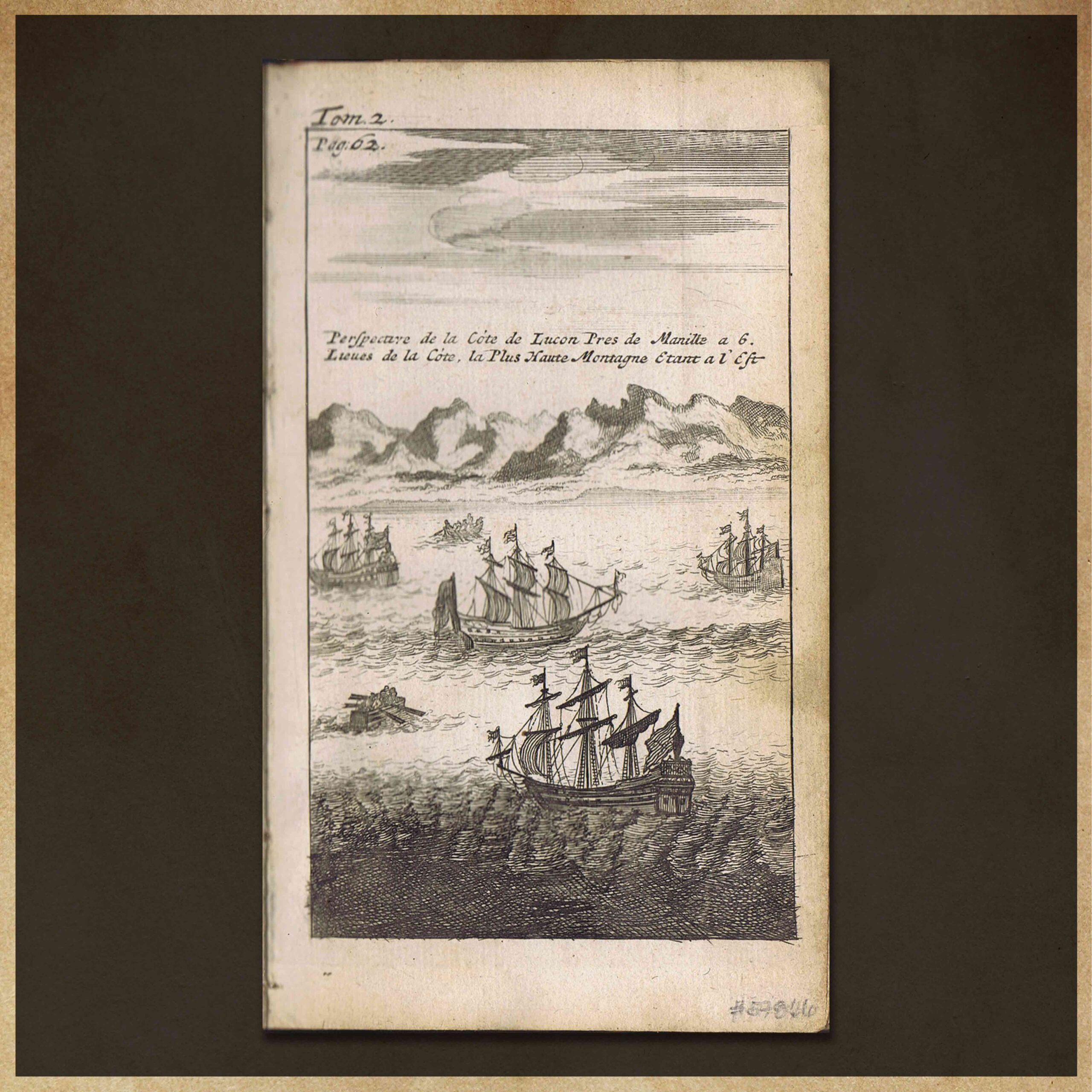
Meares wasn’t alone in this high-seas charade. The 18th century was rife with traders, explorers, and outright swindlers bending the rules (and reality) to suit their ambitions. From pirates posing as privateers to merchants forging documents for access to restricted ports, the ocean was teeming with deception.
Take Alexander Dalrymple, a hydrographer who wasn’t exactly a con artist but had a knack for exaggerating discoveries and stretching the truth when it suited his career.
And then there were the traders in the East Indies who conveniently “became” Portuguese or Spanish when the situation called for it. Meares wasn’t the only one many European merchants assumed false nationalities to slip past territorial restrictions and customs controls, often carrying forged documents to back up their claims. Some even changed ship flags mid-voyage to avoid trouble or secure better trade deals.
But let’s not forget the storytellers of the age, like Daniel Defoe, who had a long history of false identities himself. Before he became famous for Robinson Crusoe, he was a businessman who dabbled in everything from espionage to pamphlet-writing under fake names. His life was basically one long con with a literary twist. His most famous novel was inspired in part by Alexander Selkirk, the real-life castaway rescued by Woodes Rogers, whose exploits were also chronicled by the legendary William Dampier. Defoe may not have been a sailor, but he certainly knew how to spin a tale and sometimes, a well-told story was just as valuable as a well-forged passport.
These adventurers, fraudsters, and identity-swappers may have sailed centuries ago, but their antics feel strangely familiar today. Maybe that’s why we love a good pirate tale—because deep down, we all appreciate a well-played con (as long as we’re not the ones being tricked).
(Ms) Aimer Imai